Feeds:
Posts
Comments

If love grew from the ground, it might be a sun-ripened tomato. And now it is August in the Northeast, when an abundance of the succulent fruit momentarily clouds memories of beautiful – yet tasteless – imported produce.
But love, and organic tomatoes, do not ripen without patient labor and battles with anxiety. Farmer and writer Tim Stark illustrates the latter with chaotic flair in Heirloom: Notes From An Accidental Tomato Farmer.

To read a full review and listen to an interview with the author, click here.

If you have traveled the world, there is nothing quite like the aroma of a well-loved dish to bring you right back home. For Mississippi Delta chef Martha Hall Foose, a whiff of slow-simmering gumbo is akin to coming around the bend and catching sight of the bridge that straddles the Yazoo River near her house: Both promise that familiar comforts aren’t far off.

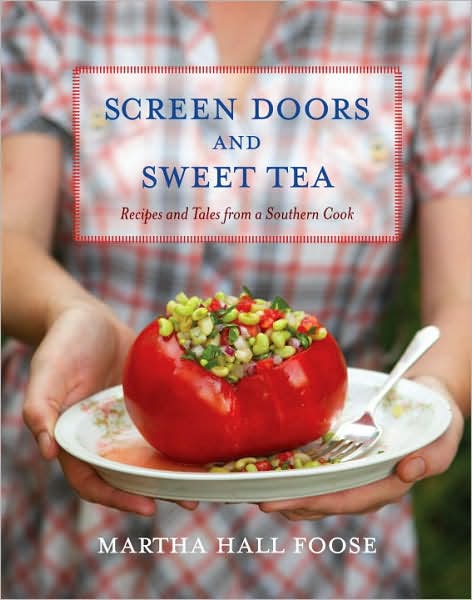
Meals made with ingredients grown right out the back door may hum with flavor, but they also tell the story of recipes passed down the generations and shared among neighbors. To Ms. Foose, author of the new cookbook “Screen Doors and Sweet Tea,” a good, local dish can taste even better if she knows the farmer who has grown the ingredients.

“I’m a big fan of our local farmers’ market,” says Foose. “The green beans you buy from someone you’ve known since elementary school are going to taste better than some ‘unknown’ green beans…. It really does make a difference to have that social and emotional connection to food.”

To read the full article, hear an interview with Martha Hall Foose, and see a recipe for Sunflower Squash and Silent Shade Cobbler, click here.

Chef in Season: Carl Schroeder

From the trained chef to the home cook, preparing meals with fresh, local ingredients over shipped, shrink-wrapped food seems an obvious choice. Shopping locally may have a growing appeal among those wanting to lessen their carbon footprint, but its true attraction lies in simple flavors that sing for themselves.

“The quality of [fresh] ingredients is so good that you don’t have to do a lot,” says Carl Schroeder, executive chef and owner of Market Restaurant in Del Mar, Calif. “If you’ve got some great summer squash, sautée it … with some garlic, olive oil, and season it up … [with] some fresh chopped herbs, and you are done. That’s the beauty of it.”

Mr. Schroeder, California’s 2005 restaurant chef of the year and this year’s San Diego chef of the year, lives this philosophy. Every day he handpicks his ingredients from Chino Farms, a farm stand a short drive from his restaurant. At Market, Schroeder works with his team of talented cooks to conjure up a new menu almost every night.

Creative simplicity in the kitchen is a panache home cooks can easily emulate, but make sure you start with the best produce.

“Buying a great tomato is so much better than trying to make a bad tomato taste good,” says Schroeder. “All it takes is a good salt and a good vinaigrette, and you are ready to roll.”

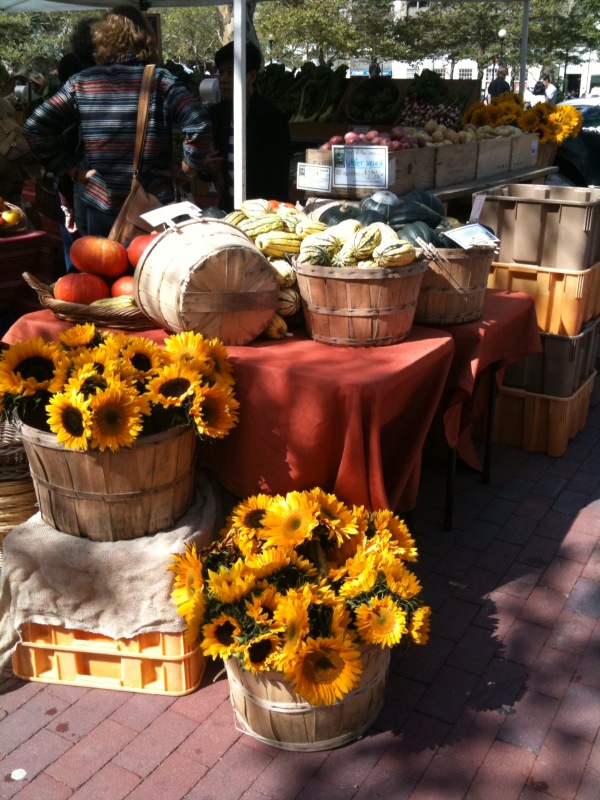
So pay a visit to your local farmers’ market and load up. Then play chef with these recipes for chilled vegetable soups – a cool delight for a warm summer evening.

To hear an interview with Carl Schroeder and see recipes for Chilled Corn and Lobster Soup and Chilled Avocado and Tomato Soup and  Chilled Heirloom Tomato and Extra Virgin Olive Oil Soup, click here.

Say the words “Chinese food” and most people conjure up white cartons filled with fried rice. Or, some may imagine banquet feasts that feature “delicacies” such as monkey brains.

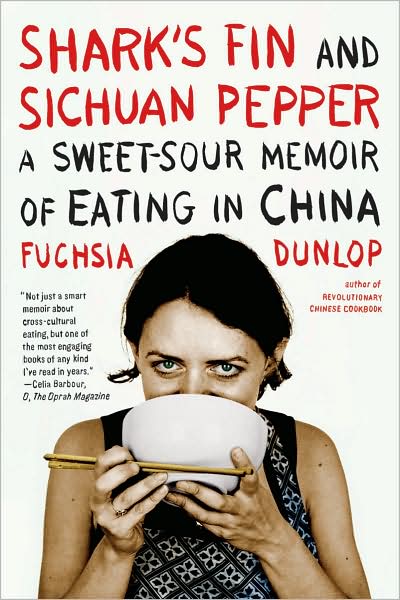
The truth lies somewhere in between, and with Fuchsia Dunlop as your lively guide you’ll learn more about Chinese food than you can possibly digest in Shark’s Fin and Sichuan Pepper: A Sweet-Sour Memoir of Eating in China.

To read the full review and hear an interview with the author, click here.

Over the past decade, more than 10,000 books relating to diet have been published in English. In this torrent raining down on us each year one thing has become clear: Food is an enemy.

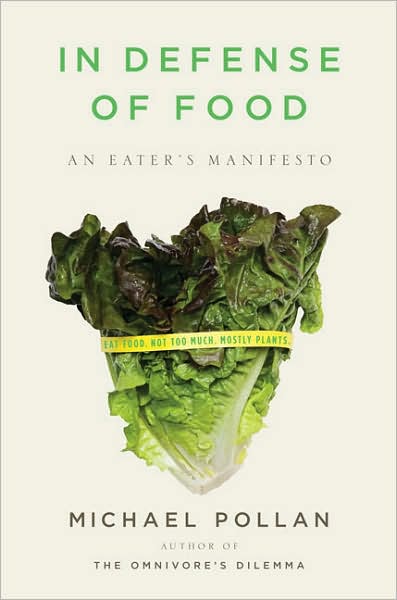
Whatever happened to giving thanks for a bountiful spread before digging in? Eating used to be an act of grace, not one of terror. Michael Pollan, journalist and author of the bestselling “The Omnivore’s Dilemma,” dishes up an intriguing answer in his new book In Defense of Food: An Eater’s Manifesto.

To read the full review, click here.

Behind every bestseller stands a discerning editor, just as behind every delicious meal stirs an exacting cook. So one can only surmise that behind every successful cookbook is an editor who wields pen and paring knife with equal skill. Judith Jones proves she is a master of both in her memoir The Tenth Muse: My Life in Food.

The buds of these twin talents first emerged in 1948Paris, where a young Jones was tasting life beyond the strictures of her Vermont upbringing. (Garlic, for example, was considered by her mother “alien and vulgar.”) On a whim, her summer holiday became a three-year stay full of romantic charm: shopping in open-air markets, securing a job in publishing, learning French, and marrying Evan Jones, her former boss.

Eventually the Joneses resettled in New York where they strove to maintain their European palates despite the limited offerings of supermarkets. (This was at a time when many American recipes required a can opener and emphasized speed.) But a sea change was occurring in American kitchens. More people were traveling abroad, discovering new tastes, and wanting to re-create these meals at home.

As gastronomy caught on in the US, cookbooks began to appear on Jones’s editing desk at Knopf, including “a huge manuscript on French cooking” by three unknown women. One of those women turned out to be Julia Child and the manuscript became “Mastering the Art of French Cooking.” Scores of other partnerships with cooks and chefs followed as Jones helped to establish Edna LewisMarion Cunningham, and James Beard, along with many others, as household names.

Longstanding cookbooks with a mishmash of European influences experienced new clarity under Jones’s pen as she sought out cooks who knew how to add flavor to a dish using fresh, local ingredients. Pages of Jell-O recipes disappeared.

With Jones as a guide, cooking becomes a religious act to share with others or experience alone. Her adventure begins as a young woman at a table for one in Paris and concludes advocating that singles (Jones is now a widow) should persist in the luxury of preparing and enjoying a good meal. Throughout, her tone is expert, casual, as if one is listening to a story at her table after a satisfying meal. She shares recipes and tips from her mentors and encourages all to improvise. It’s an invitation into the kitchen that’s hard to resist.

This review first appeared in The Christian Science Monitor.